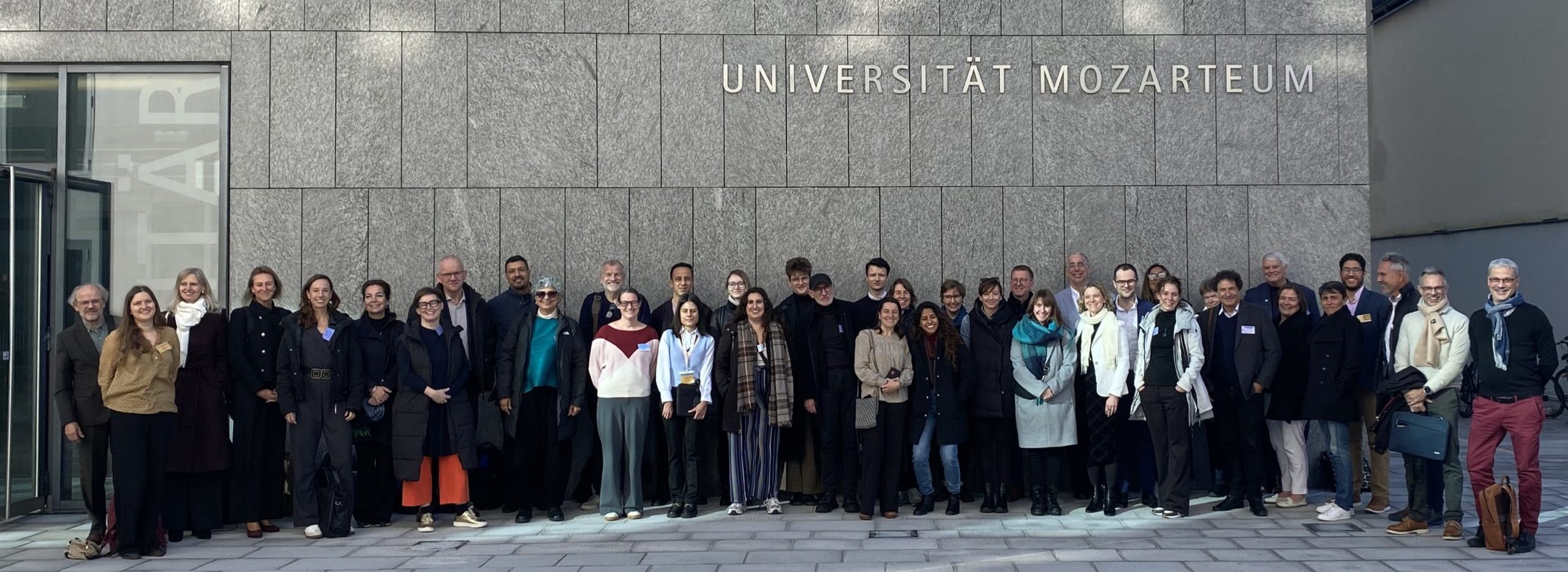
A crucial element of the MusiQuE procedures is the involvement of well-trained experts who are able to deliver reviews of a consistently high standard. In line with its mission to support quality enhancement globally, MusiQuE organises its annual training in a different country each year. This approach creates opportunities for a wide range of institutions to engage with MusiQuE’s approach and practices. This autumn, the MusiQuE training took place in Salzburg, Austria, on 5 and 6 November, preceded by an online session on 17 October. In total, 32 participants from 17 countries took part.
Online training
The training began with an online plenary session during which MusiQuE’s concept of quality in relation to music education was presented, and participants were introduced to the MusiQuE Standards. They also learned about working with these Standards from MusiQuE representatives and experienced Peer Reviewers, who shared insights from their respective perspectives.
The second part of the online session focused on the roles and responsibilities of a Peer Reviewer, followed by small group discussions during which participants could raise questions. They were also encouraged to reflect on how the MusiQuE Standards could serve as a tool for quality enhancement in their own institutions.
Preparatory work and role play
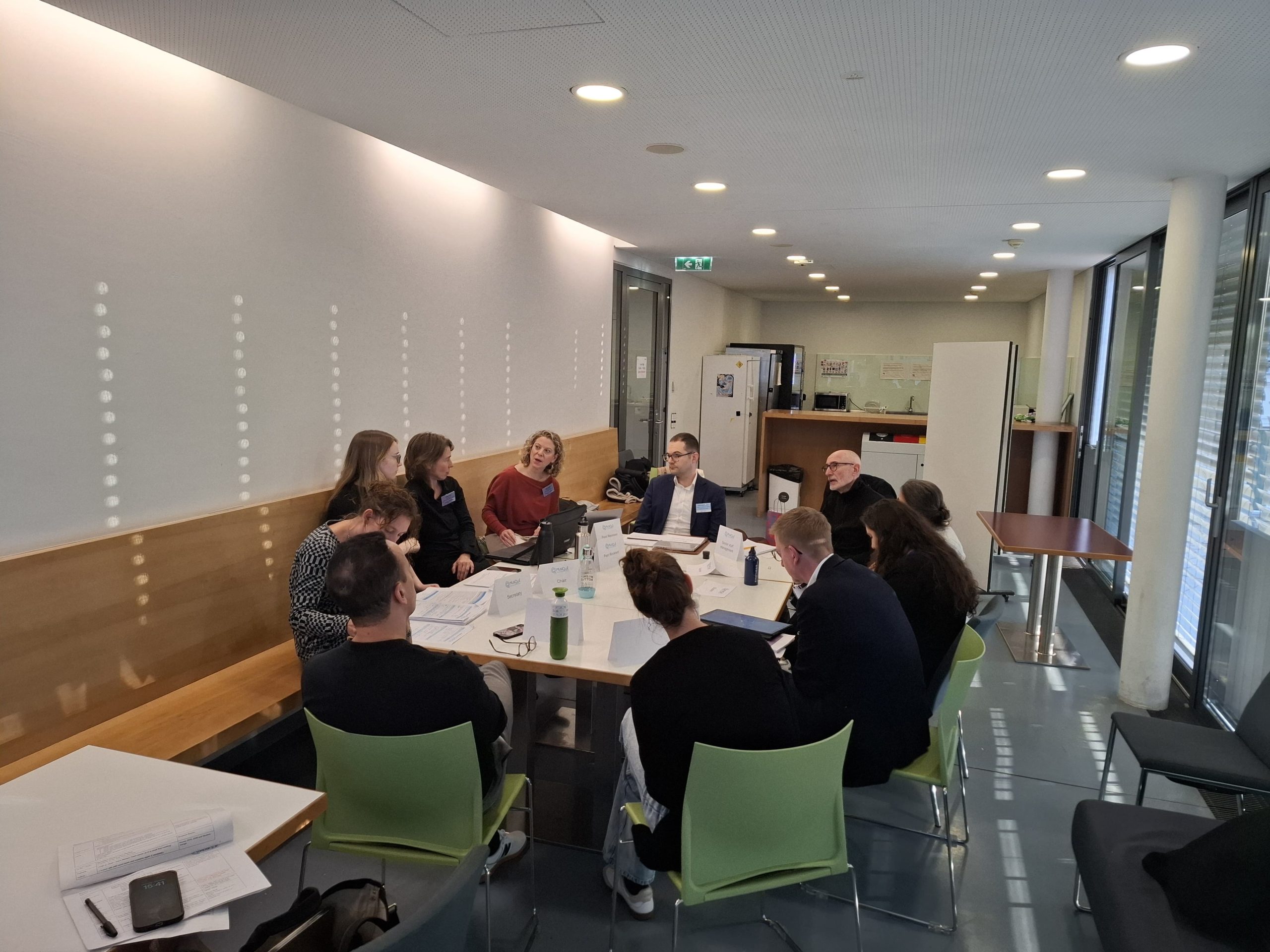
Before the in-person session, participants completed preparatory work based on a real self-evaluation report from an existing institution. During the training in Salzburg, participants fully immersed themselves in the dual roles of Peer Reviewer and institutional representative, gaining hands-on experience with key steps of a review procedure such as the site visit and exploring how to bring MusiQuE’s enhancement-driven approach into each stage of the process. Participants noted the value of engaging in both roles, describing it as an effective way to gain a deeper understanding of different perspectives.
Writing exercise
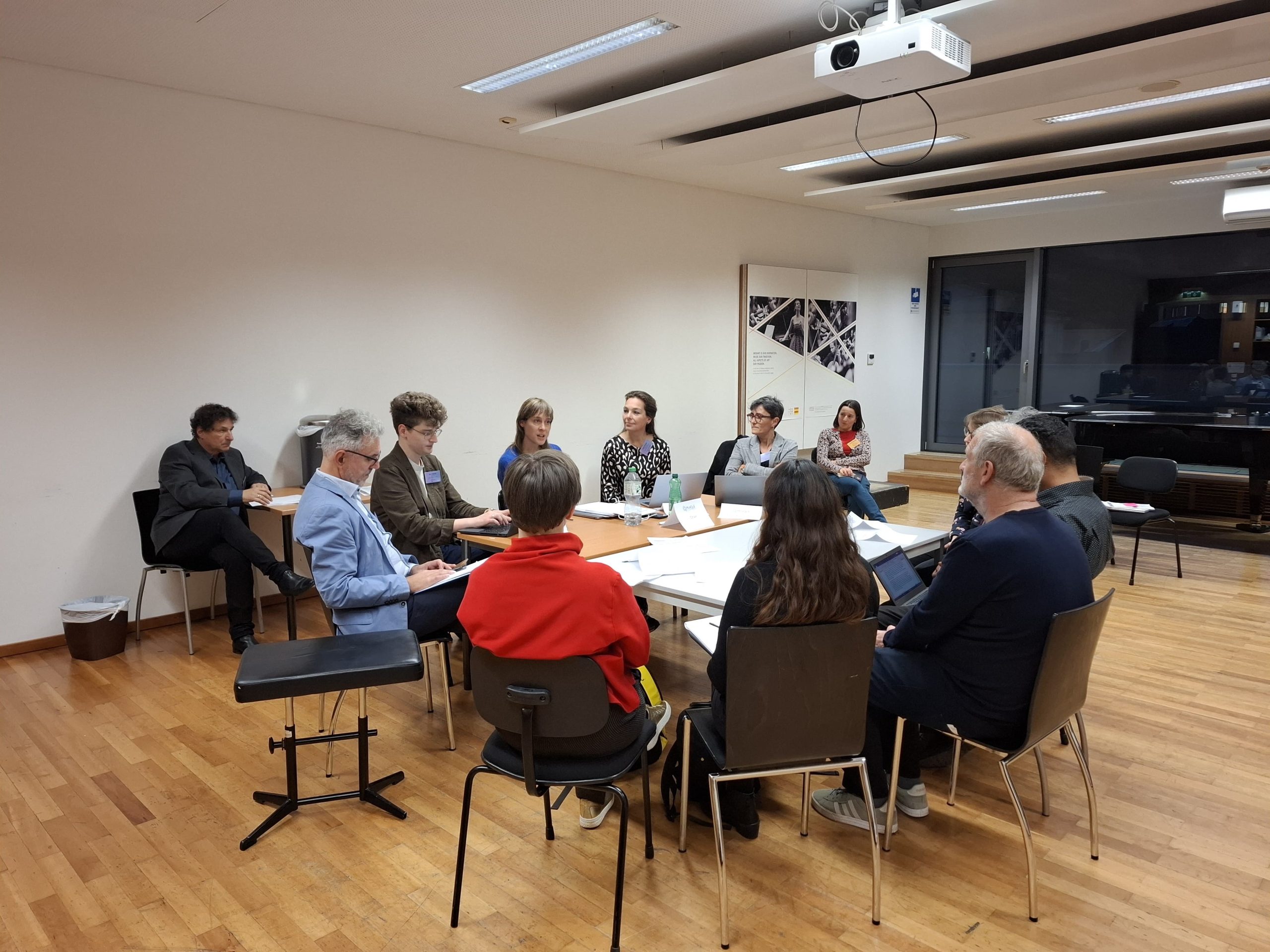
A new element introduced during this edition of the training was a writing exercise, in which participants produced a section of a review report. A collaborative plenary then provided an opportunity to compare approaches, discuss clarity and coherence, and reflect on how written feedback can better support institutions.
Sharing role-playing experiences
Participants also shared their reflections from the previous day’s role-playing activities. This exchange prompted valuable discussions about the practicalities of conducting a review, including challenges encountered and creative solutions identified. The variety of perspectives demonstrated how effectively the activity brought theory to life.
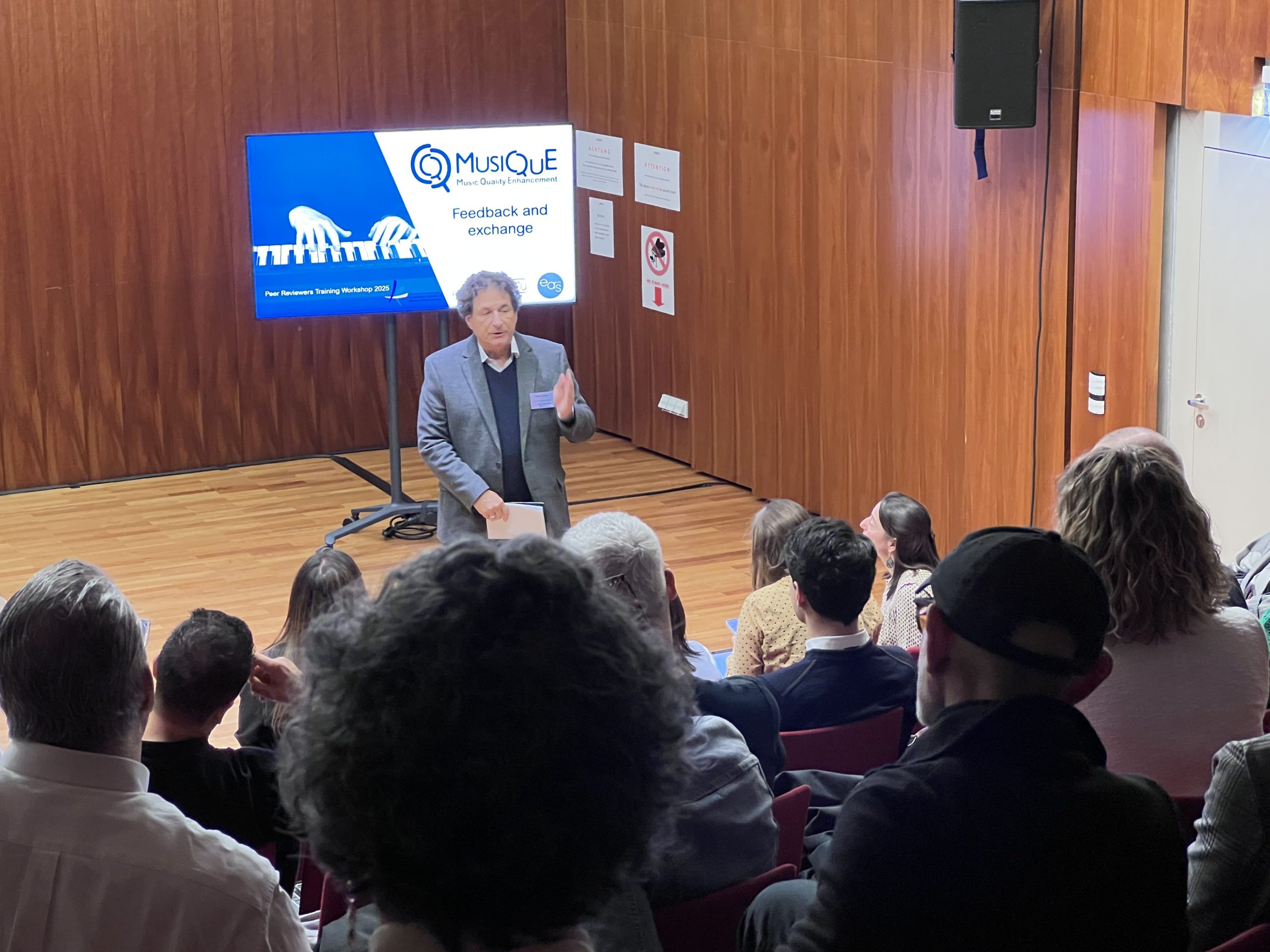
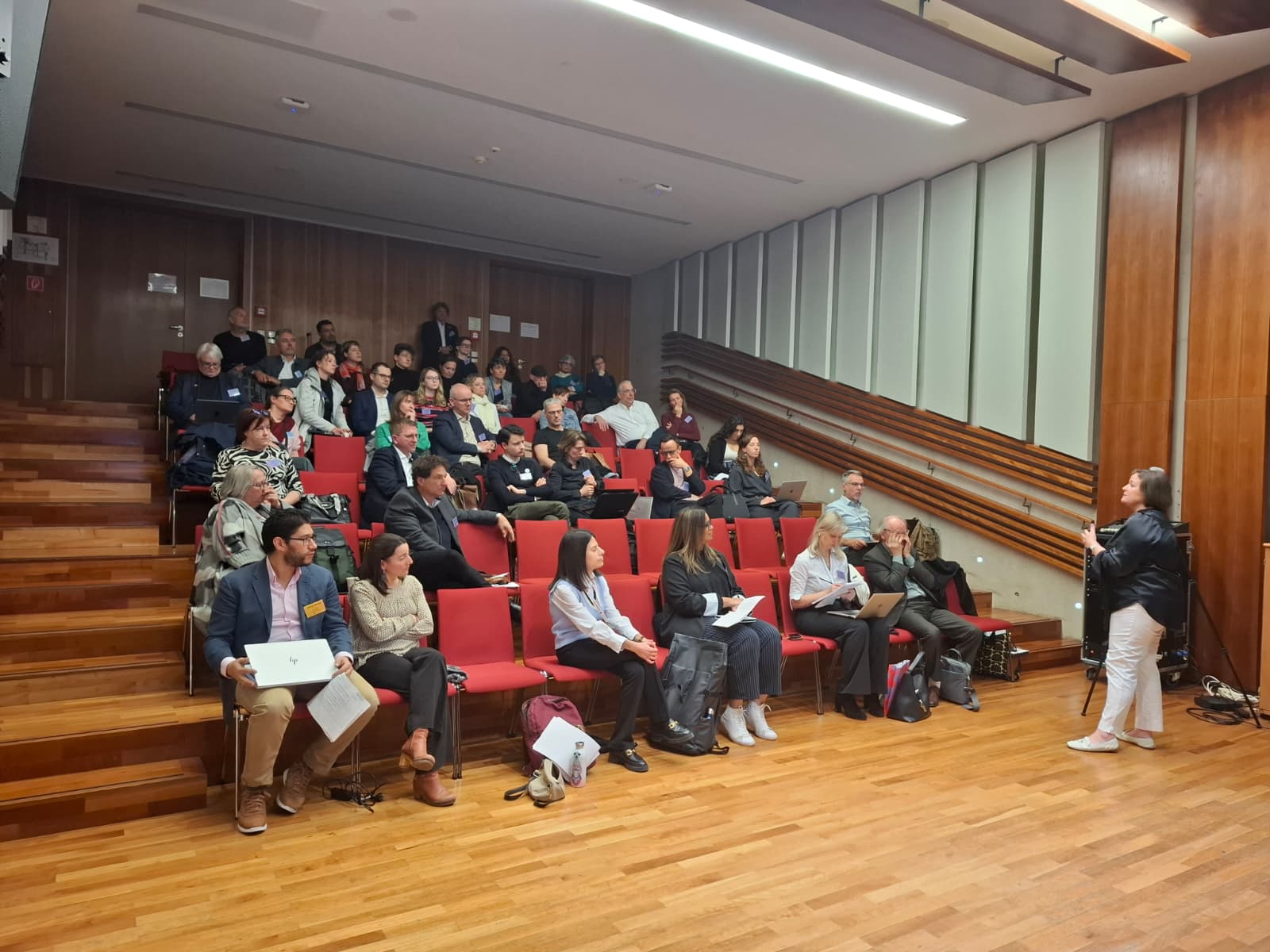
An inspiring message from the President of NASM
The day concluded with an inspiring contribution from Tyloe Harding, President of NASM, who highlighted the global relevance of the MusiQuE Standards and the organisation’s commitment to quality enhancement.
This year’s training once again demonstrated the value of bringing together committed professionals to explore MusiQuE’s standards and approaches. Participants left with strengthened skills, deeper insights, and a renewed dedication to supporting quality enhancement across the sector.