Interdisciplinarity: making room for collaboration across the arts
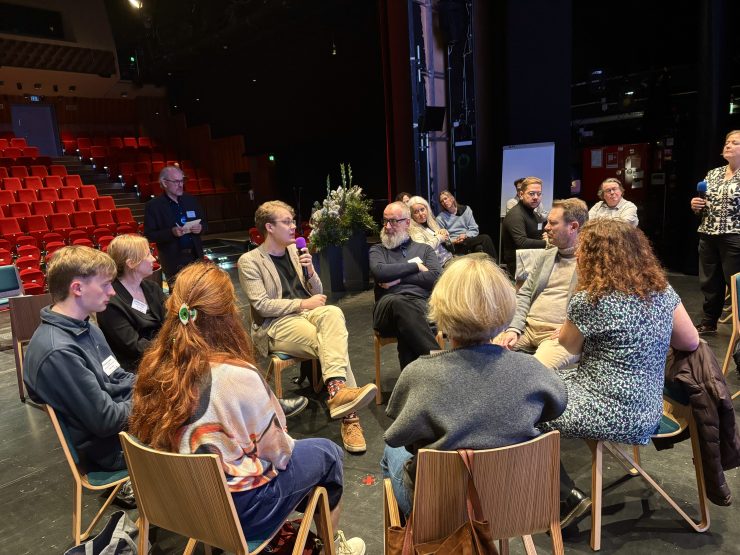
On 6 November, at the brainstorming session Creating Conditions for Interdisciplinarity and Collaboration in and with Creative and Performing Arts Institutions, participants discussed how institutions can make sure their different arts disciplines actually work together.
Participants agreed that interdisciplinary work needs a real place in the curriculum, with its own credits, time and assessment. Without that, it is experienced as an optional extra or simply more work. Shared spaces and informal, face-to-face encounters were seen as essential; as one participant put it, email alone does not engage staff.
Participants stressed that teachers play a key role as mentors and role models, and that leadership must back interdisciplinarity at every level. Students need room to experiment, and the process of collaborating should count as much as the final product. Practical obstacles were also raised, from timetable clashes to the lack of a common vocabulary: how does a musician talk to a dancer?


Quality culture: what lies beneath the surface
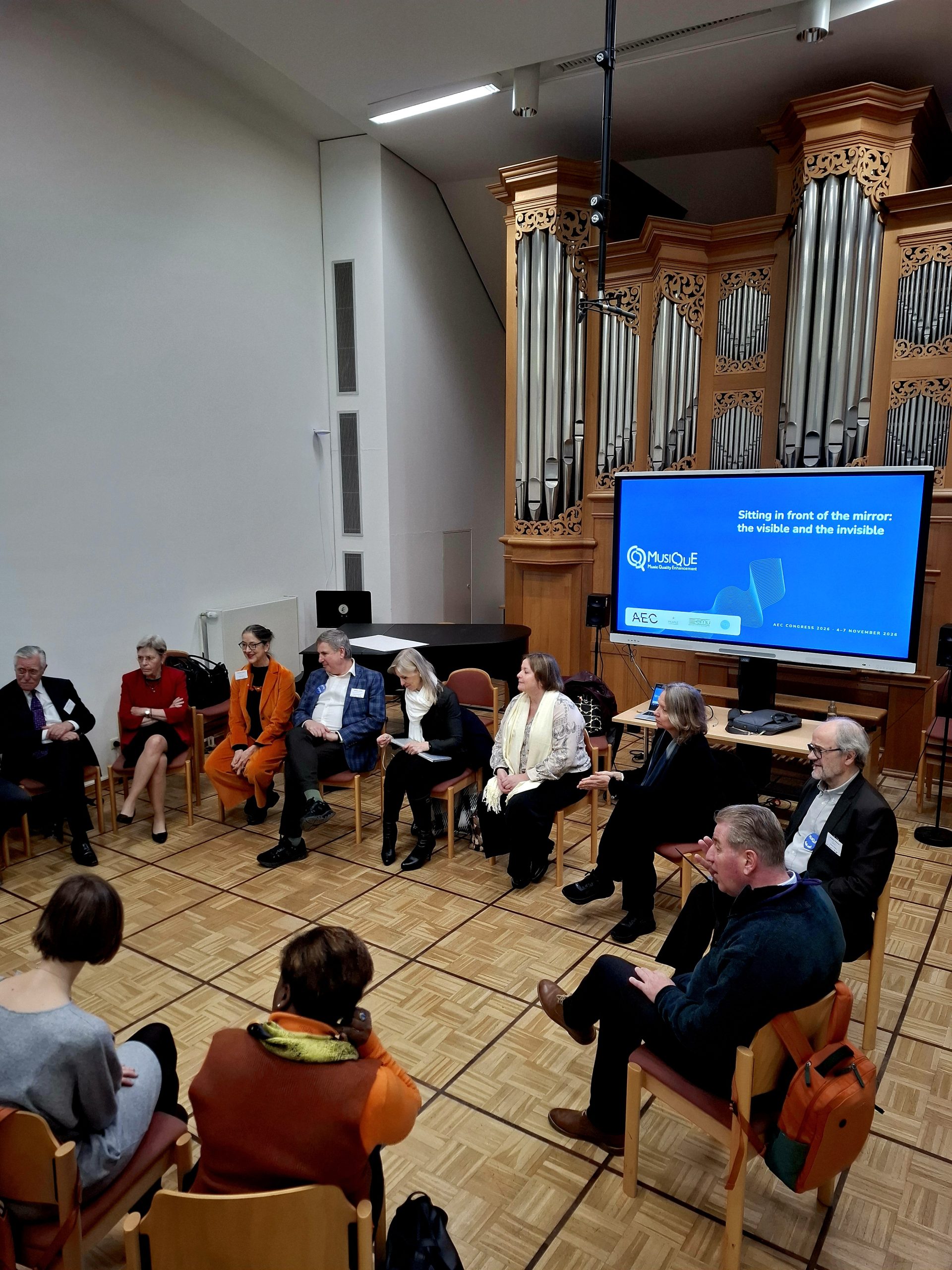
On 7 November, the participants discussed The Visible and Invisible Dimensions of Quality Culture and explored what reviews do not always see: relationships, trust, shared values and everyday practices.
Four invisible aspects stood out:
- Ethos and atmosphere, including the warmth that peers can sense during a visit
- Diversity: an institution is made of people from different backgrounds, and this diversity is itself part of its quality.
- Local context: local culture shapes the community and the way music is.
- Student wellbeing and the counselling role that many teachers quietly take on
Should reviews try to capture these? Some suggested reviews could look at whether institutions create the conditions for these qualities to grow. Others felt not everything needs to be captured. Many agreed that conversations matter as much as documents, and MusiQuE’s Critical Friend procedure was mentioned as a good example.
Participants also shared practices that nurture these qualities. These included treating failure as part of learning, assessing students on growth rather than only on final performances, and sending them outside their comfort zone.
Thank you
MusiQuE warmly thanks all participants for their openness and insights, which will feed into our ongoing reflection.
→ Learn more about our Critical Friend procedure