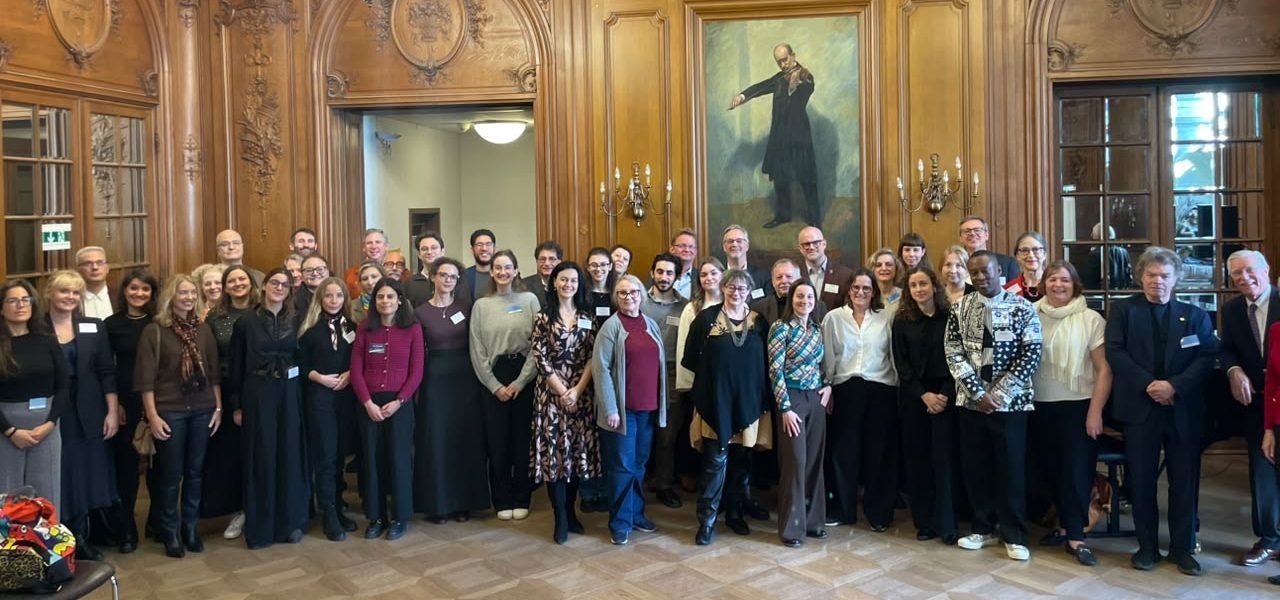
MusiQuE held its annual Peer Reviewers Training Workshop at the Hochschule für Musik und Theater Hamburg on 4 and 5 November 2026, just ahead of the AEC Congress. In total, 36 participants from 18 countries took part.
The workshop prepares experts to carry out MusiQuE reviews of music and other performing arts institutions and programmes. Members of the MusiQuE Board, the MusiQuE Office and experienced MusiQuE Peer Reviewers delivered the training.
From online preparation to role play
The training began with an online session on 13 October. It introduced MusiQuE’s procedures and the role of a Peer Reviewer, and set a home assignment: analysing a real self-evaluation report from an existing institution.
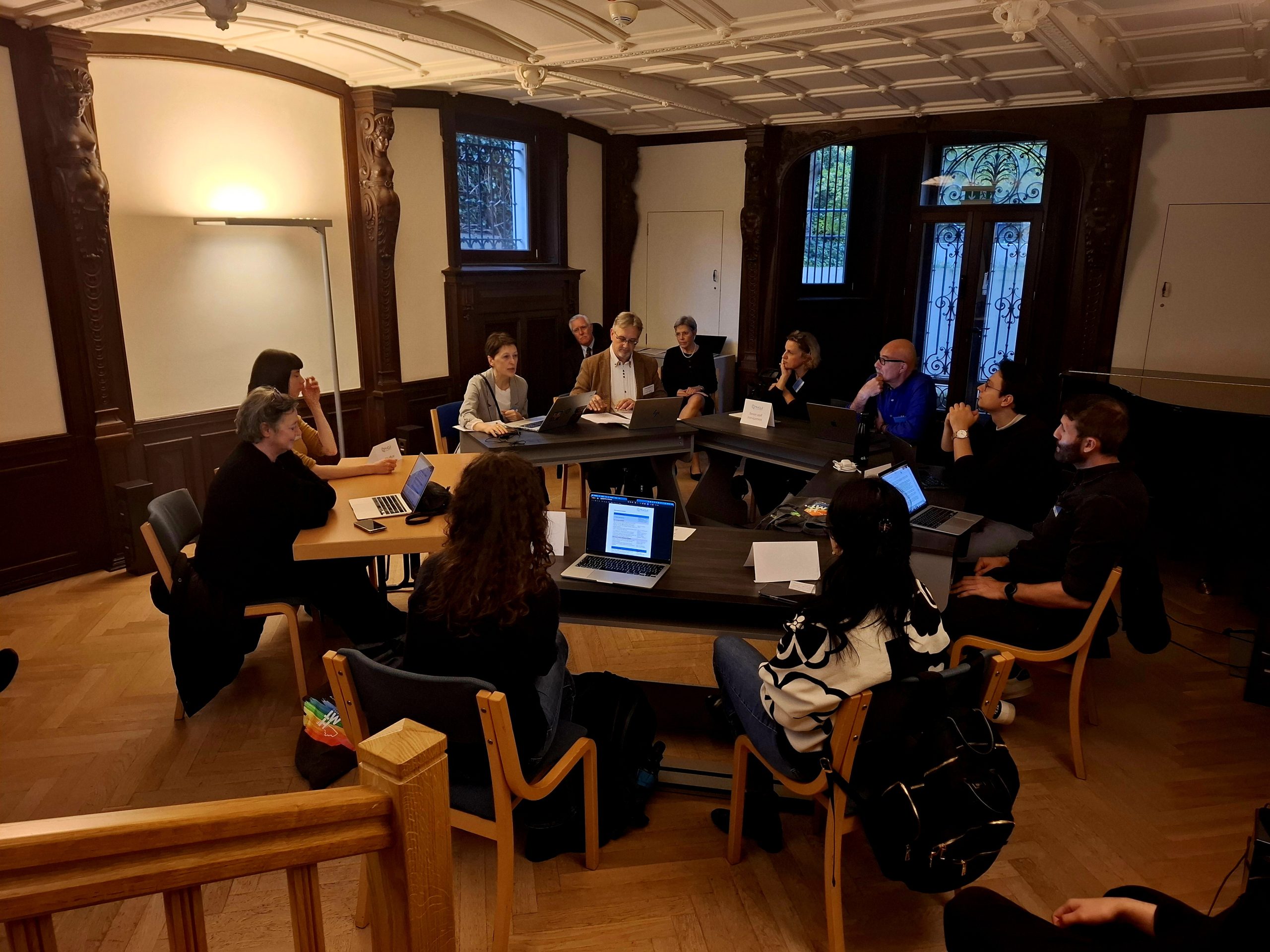
In Hamburg, participants played both sides of a review. Working in teams, they acted as Peer Reviewers and as representatives of the institution under review during a simulated site visit. After each round, experienced reviewers gave them direct feedback and practical tips.
For many participants this was the highlight. One said the most valuable part was being able “to put myself in the institution’s shoes”. Another praised “the feedback on-site from experienced reviewers who gave us personal tips and dos and don’ts after each role-play.”
Writing a review report
On the second day in Hamburg, participants drafted a section of a review report, an exercise first introduced last year. In the plenary that followed, the group analysed several drafts and discussed how reports can be clear, rigorous and genuinely useful to institutions.
Sharing experiences
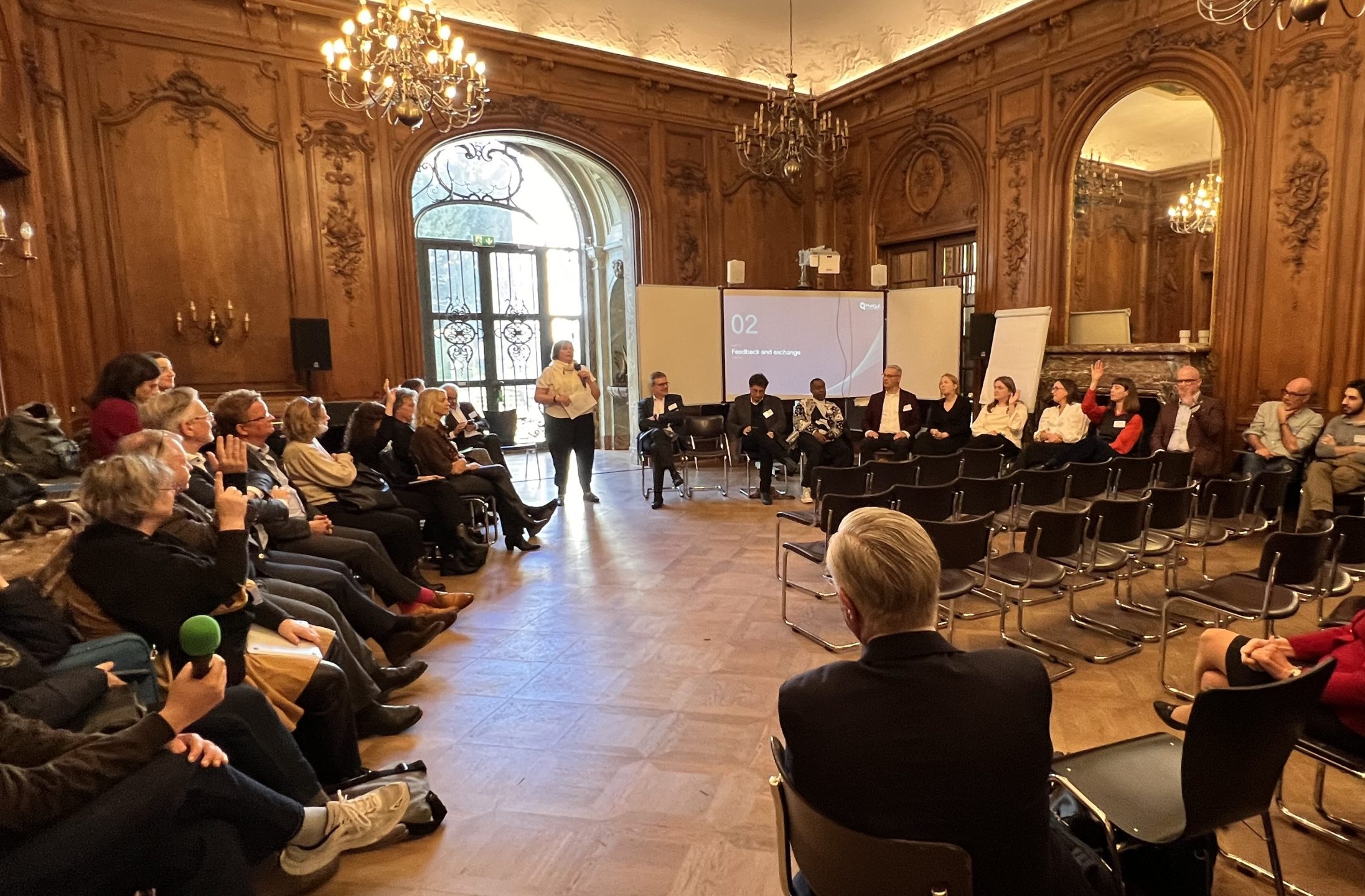
Participants then shared what they had taken from the previous day’s role play. The discussion covered the practical side of conducting a review, the challenges they had met and the creative solutions they had found. Experienced MusiQuE Peer Reviewers also shared insights from their own review experiences, highlighting the collaborative and enhancement-oriented approach that lies at the heart of MusiQuE’s work.
Learning that goes back home
Several participants said the training also gave them ideas for their own institutions, from “critical thinking and getting new ideas for our own curriculum” to preparing for future accreditations. One participant valued the chance “to compare the national quality assurance criteria and practices with MusiQuE’s international standards.” Another said they came away with “a clearer understanding of the reviewer’s role in ensuring that processes are meaningful, fair, and relevant to the specific context.”
Networking was another recurring theme: participants valued learning from colleagues’ perspectives and experiences, and the chance to support sustainable change in higher music education together.
A message from NASM
The workshop closed with contributions from Karen Moynahan, Executive Director, and James Forger, Vice President, of the National Association of Schools of Music (NASM), the accrediting body for music schools in the United States. They reflected on the training and the role of Peer Reviewers, and shared NASM’s perspective on quality enhancement in higher music education.
Interested in becoming a MusiQuE Peer Reviewer or joining next year’s training? Click here or contact info@musique-qe.eu.